Mexico City
Designing a Brand You Can Walk Into
Máscara de Látex Headquarters & Retail Stores
Retail & Workplace Design
Mexico City
Máscara de Látex
Completed
Creative & Project Direction
Some projects ask you to solve practical problems. Others invite you into an entirely different world. This project did both.
Designing for Máscara de Látex meant stepping into a brand with a very clear personality. It wasn't about making a space look impressive — it was about creating places that felt unmistakably theirs.
The first chapter was retail. Designing the stores meant understanding how customers moved through a space, how products were discovered, and how the brand could be experienced beyond a logo.
As the collaboration continued, the project expanded to include the company's headquarters and several additional locations. Seeing the same brand come to life in different environments — from customer-facing stores to the team's everyday workplace — completely changed the way I thought about design.
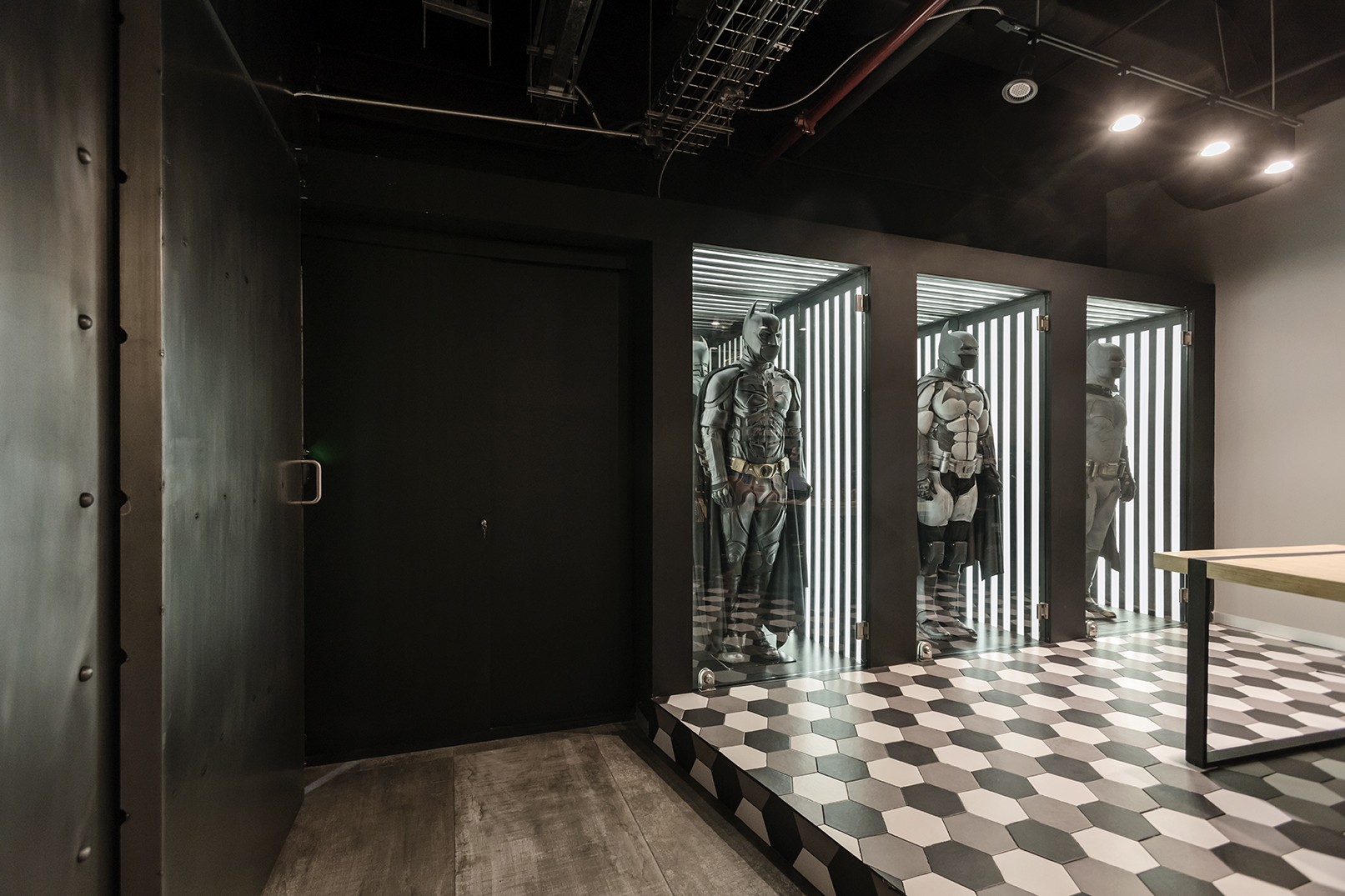
Inspired by Batman and built inside one of Mexico City's most prestigious office towers, the headquarters wasn't trying to blend in. It was designed to spark curiosity, creativity, and conversation from the moment someone walked through the door.
The office wasn't meant to feel like an office.
It needed to reflect the personality of the company — a place where creativity felt natural and where the team genuinely enjoyed spending time.
The retail stores were a completely different challenge. They pushed me into a world I was just beginning to understand. Suddenly, the questions weren't about how someone lives or works in a space, but how they move through it, what draws their attention, and how design can quietly shape their experience.
That project became my introduction to retail design, and it changed the way I think about commercial spaces to this day.
Every project started with the same question: How should this space make people feel?
From there, each environment developed its own personality. The retail stores were designed to encourage discovery and movement, while the headquarters focused on creativity, collaboration, and giving the team a workplace that reflected who they were.
Rather than repeating the same design language, each space became a different expression of the same identity.
Before this project, I thought good design was mostly about creating beautiful spaces. This experience changed that.
Designing an office taught me how a space can influence the way a team works, collaborates, and feels throughout the day. Designing retail taught me to pay attention to movement — to where people naturally pause, what catches their attention, and how small decisions shape an experience without anyone realizing it.
What stayed with me wasn't a particular material or detail. It was learning to observe people more carefully — a lesson that has carried into every project since, whether it's a family home, a business, or a commercial space.


"The most memorable spaces don't simply reflect a brand. They make people feel like they've stepped inside its story."